
KEYNK / A pocket-sized queer history
Hanky
Code.
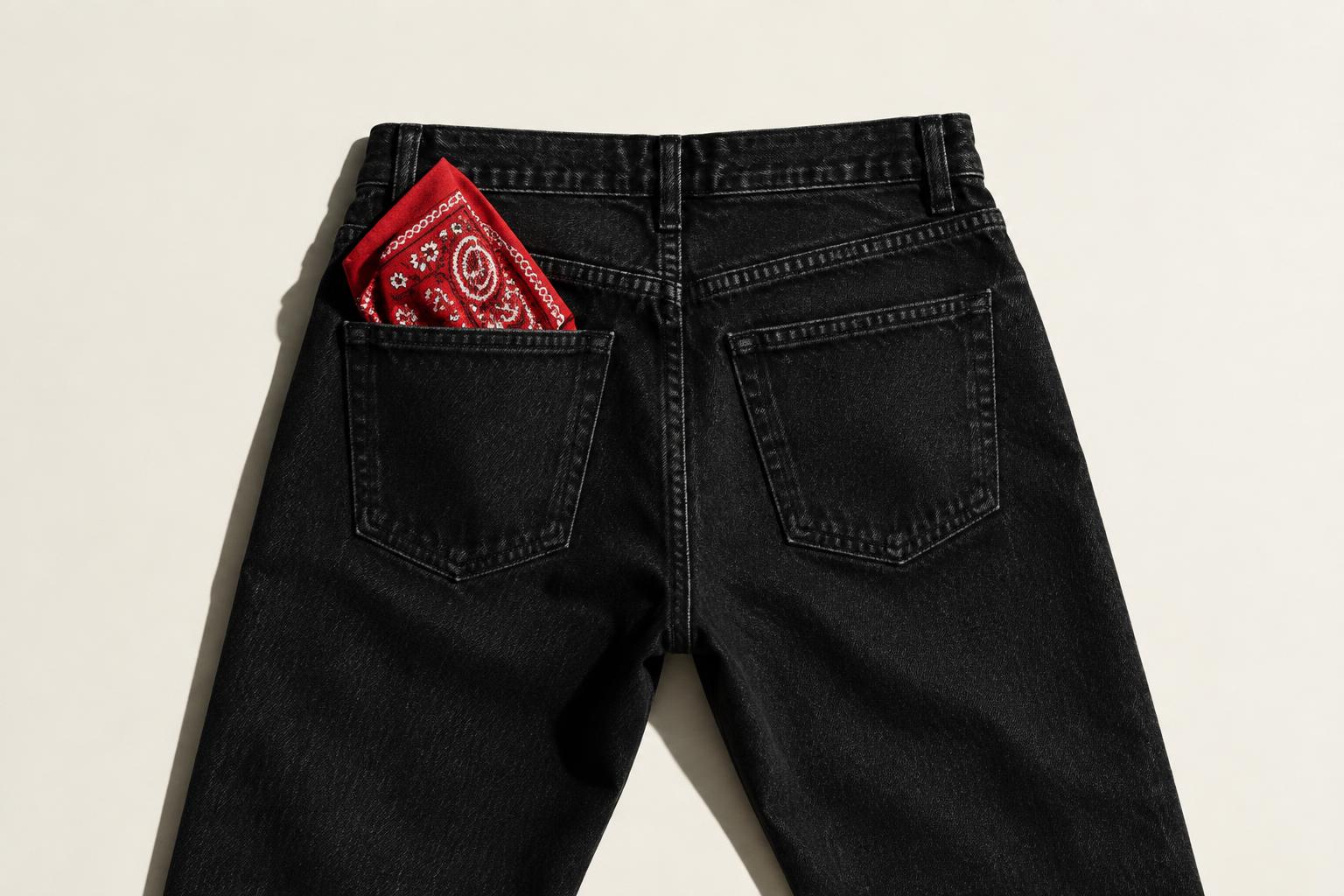
Before the bio, there was the back pocket.
Color as conversation. Placement as punctuation. Queer signals, decoded.
Decode your signal01 / The decoder
Read the room.
And the pocket.
One color. Two sides. A whole conversation before a word is spoken.
Signal decoded← L
A signal, not consent. Meanings vary by place, time and community. Ask first. Always.
02 / The backstory
Not just
an accessory.
Long before profiles and apps, queer people found each other through looks, language and small details. Clothes could carry a message that only the right people knew how to read.
The Hanky Code became widely associated with gay leather and cruising communities in the United States in the 1970s. A colored handkerchief in a back pocket signaled an interest; the side suggested a role.
Its exact beginnings are debated. Stories connect it to earlier bandana traditions, while shops, bars and printed code lists helped spread the modern system. There was never one official dictionary.
Over time, flagging moved beyond its early circles. Today it can be a practical signal, a nod to queer history, or simply a piece of style. Context matters. So does the person wearing it.
03 / The pocket matters
← Left
Active. Top. Giving the action.
Right →
Passive. Bottom. Receiving the action.
Left and right are from the wearer’s perspective. These are traditional role signals, not fixed identities. Top does not always mean dominant, and bottom does not always mean submissive. Orange is a looser invitation rather than a strict role code.
A code is not consent.
A color can start a conversation. It can’t replace one. Never assume someone’s interests, boundaries or permission from what they wear.
04 / From pocket to keyring
Queer codes.
Made physical.
KEYNK carries that same spirit: a small object, a knowing glance, a language of your own. Not a literal Hanky Code chart. An invitation to find your type.
Shop KEYNK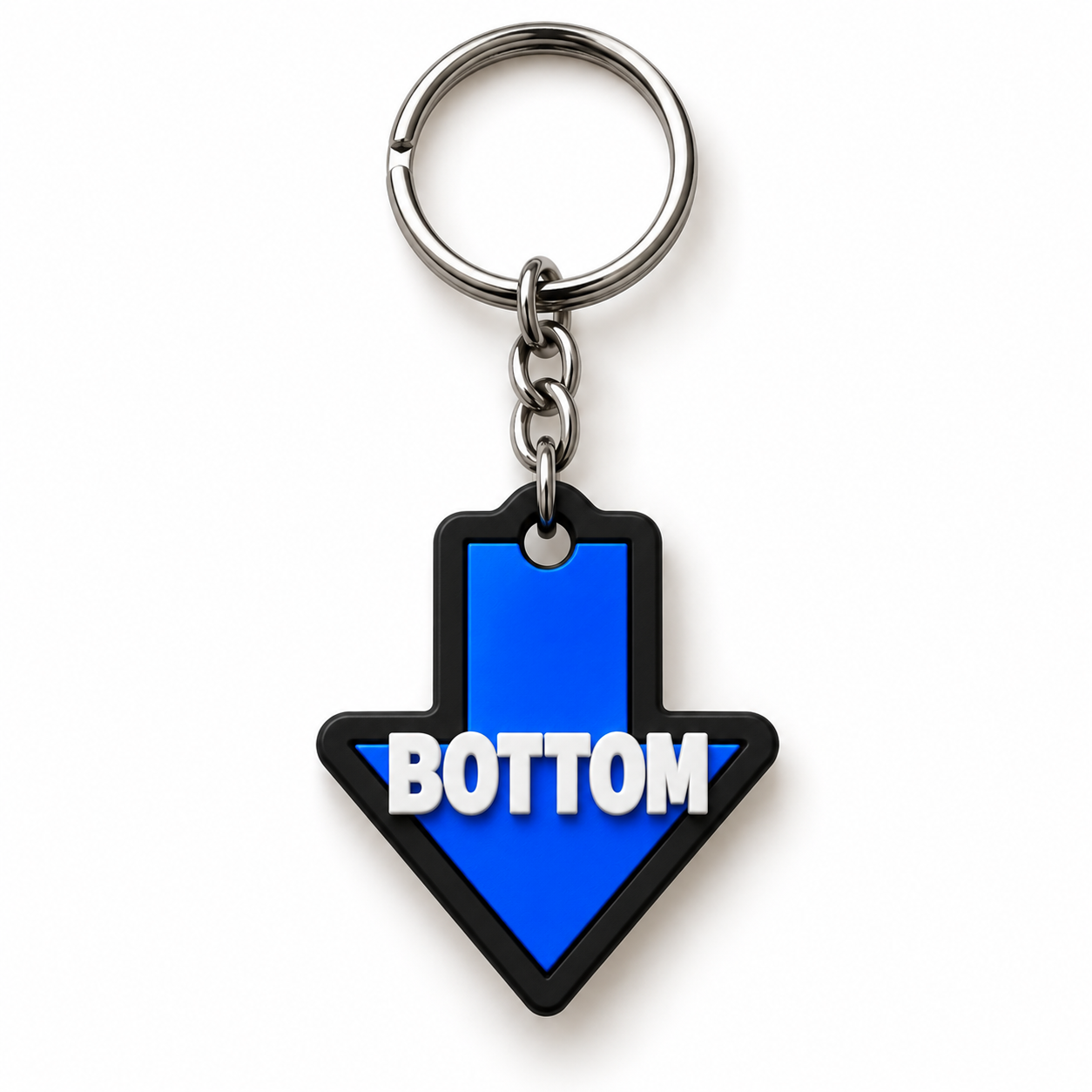
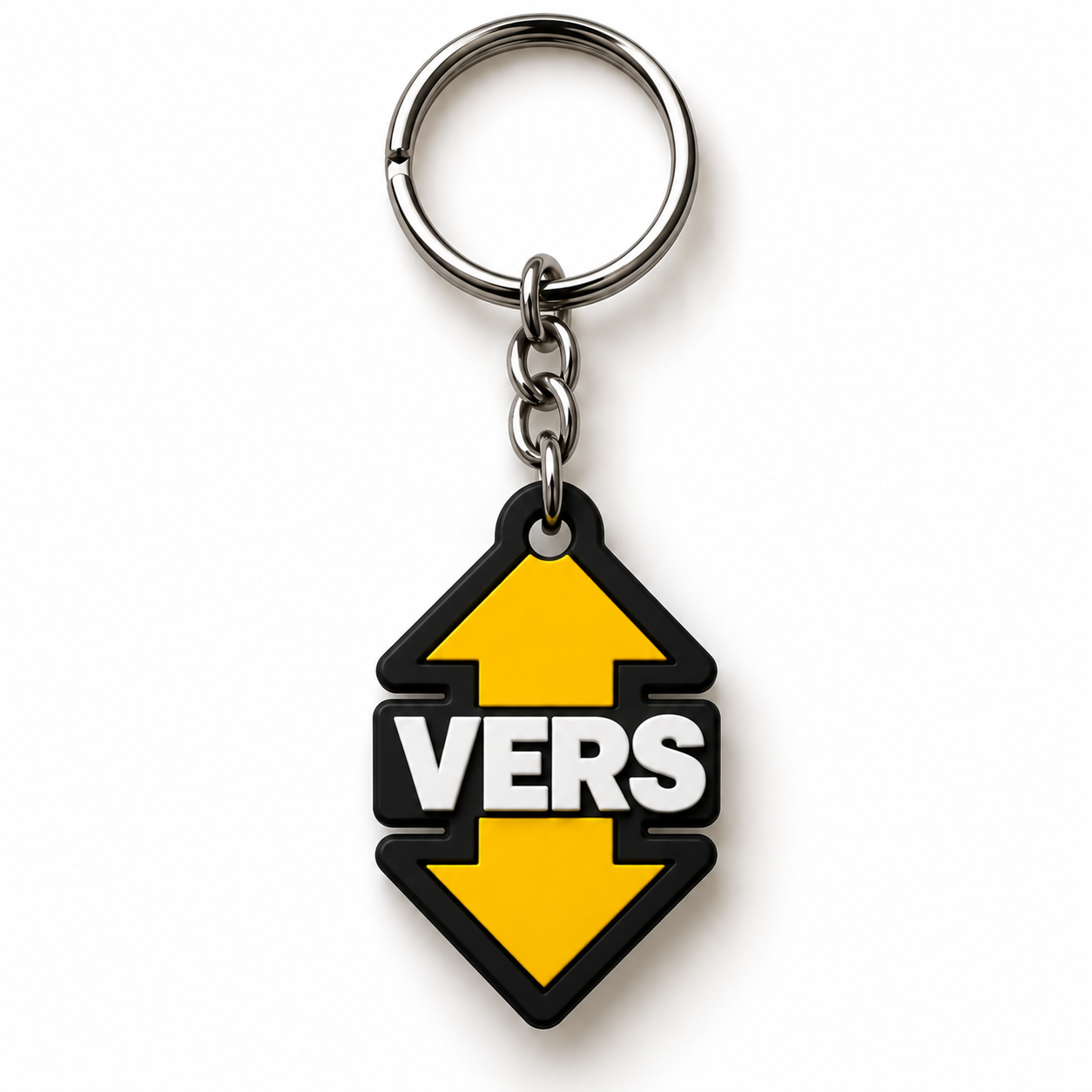

KEYNK product colors are design choices, not promises of a specific historical hanky meaning.
Keep digging / Sources & further reading
A selection of commonly documented readings, not an exhaustive rulebook. Different communities and eras use different lists.